
Exploring the design, development, connectivity, security, and more aspects of IoT devices
Be the first to know.
Get our IoT weekly email digest.
Category
IoT
Engineers Wiki. Most Asked Questions.
Comprehensive Guide
Raspberry Pi Zero 2 W Pinout: Comprehensive Guide for Engineers
By Muhammad Sufyan.
12 minutes read.
Half Adder Circuit—Theory, Design, and Implementation
By Muhammad Sufyan.
11 minutes read.
Modbus RTU vs TCP: A Comprehensive Comparison of Industrial Protocols
By Muhammad Sufyan.
14 minutes read.
USB-C Pinout In Depth: A Comprehensive Technical Guide for Engineers
By Muhammad Sufyan.
16 minutes read.
View more
ORGANIZATIONS. SHAPING THE INDUSTRY.

Mouser Electronics
Electronics
Mouser Electronics is a worldwide leading authorized distributor of semiconductors and electronic components.
219 Posts

Nordic Semiconductor
Semiconductors
Nordic Semiconductor is a fabless semiconductor company specializing in wir...
181 Posts



View more
TAGGED WITH industrial internet of things (iiot)

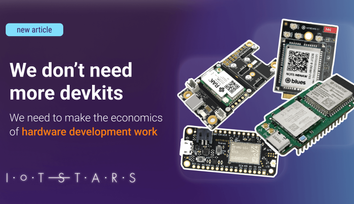
Semi Off-The-Shelf Hardware: The Missing Link in IoT
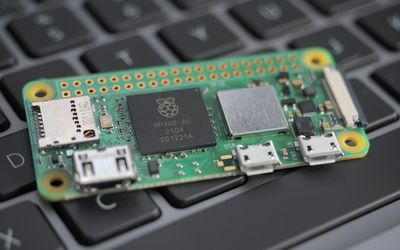
The Raspberry Pi Zero 2W features a quadcore 64 bit processor and builtin wireless in a tiny footprint. Its 40 pin header provides engineers with a flexible interface for embedded applications. This guide explores the theory behind the pinout and offers practical guidance for learners.
In IoT, return on investment (ROI) isn't just a line item; it's the North Star of every IoT deployment.
Monogoto was built as a cybersecurity-first cloud with Zero Trust, encryption, SIM-level control, and signaling visibility embedded.
TAGGED WITH cellular iot

Software-Defined Connectivity is transforming IoT, making networks programmable, scalable, and secure — just as the cloud revolutionized computing.
In IoT, return on investment (ROI) isn't just a line item; it's the North Star of every IoT deployment.

Explore the top 5 use cases of Software-Defined Connectivity (SDC) and learn how SDC reduces costs, improves compliance, and accelerates IoT innovation.

Monogoto was built as a cybersecurity-first cloud with Zero Trust, encryption, SIM-level control, and signaling visibility embedded.
Latest Posts

The digital collection of maintenance data — a huge volume of data — is, along with advanced analytic capabilities, the basis for establishing a successful predictive maintenance system. Big Data, coming from IIoT devices and into CMMS software, is changing the way we do industrial maintenance.


Article #8 of Power Management for Tomorrow’s Innovations Series: Power electronics converters with an efficiency of up to 95% and very low quiescent current can make the Internet of Things devices last for months together.


Article #4 of the Enabling IoT Series. Industrial enterprises are moving to a new approach to asset management, namely predictive maintenance by leveraging powerful new sensors and data.

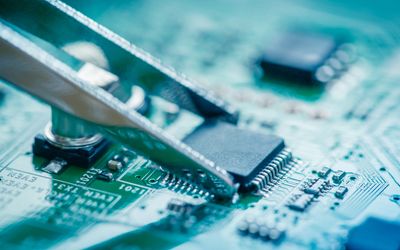
IoT security can be addressed with embedded microcontroller units (MCUs).

During the pandemic, the IoT was pivotal in keeping countless businesses and organizations functional in a locked-down world. And it’s not an overstatement to say that before the arrival of vaccines, the IoT helped the world survive the pandemic.

6 minutes read


Article #3 of the "Why Edge?" Series. From soaring costs to dwindling resources, the energy and utility sectors face unprecedented challenges in the coming years.


While we live in an increasingly tech-focused world, we still face many of the same dangers and threats to our personal safety that we did centuries ago. How can we turn our technology to help mitigate those dangers?
3 minutes read

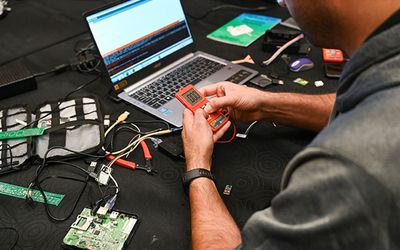
Article #5 Electronics Innovation Series. IoT security is a shared responsibility between chip manufacturers, hardware designers, and the consumer.

For the length of human history, technology has played an important role in preventing theft. Before car keys, Henry Ford had to chain his car to a lamppost to avoid anyone with the strength to turn a physical crank from stealing it.
4 minutes read


Bringing the IoT community together around LoRaWAN® technology

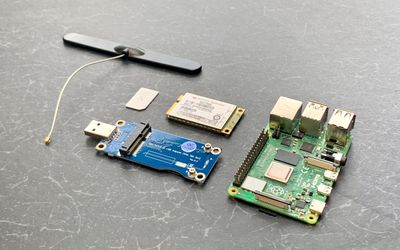
Adding cellular connectivity to your Raspberry Pi can be done in a few simple steps.

6 minutes read

The collaborative nature of open source projects brings together people across the world to work towards improving and monitoring our natural resources.


If devices lasted longer and were easier to fix, they could provide many years of good service before recycling. That saves precious materials and the energy needed to manufacture new products.
4 minutes read


Computer vision brings an 80% reduction in illegal dumping. IoT surveillance company iDefigo partners with Matroid to apply AI-based computer vision for illegal trash dumping detection.

2 minutes read

Into the future, more transport companies may start to integrate wastewater monitoring systems to manage these key facilities effectively. But this opportunity isn’t only limited to transport – any water monitoring capabilities can help reduce waste, and save energy, time and resources.
3 minutes read