
Exploring the design, development, connectivity, security, and more aspects of IoT devices
Be the first to know.
Get our IoT weekly email digest.
Category
IoT
Engineers Wiki. Most Asked Questions.
Comprehensive Guide
Raspberry Pi Zero 2 W Pinout: Comprehensive Guide for Engineers
By Muhammad Sufyan.
12 minutes read.
Half Adder Circuit—Theory, Design, and Implementation
By Muhammad Sufyan.
11 minutes read.
Modbus RTU vs TCP: A Comprehensive Comparison of Industrial Protocols
By Muhammad Sufyan.
14 minutes read.
USB-C Pinout In Depth: A Comprehensive Technical Guide for Engineers
By Muhammad Sufyan.
16 minutes read.
View more
ORGANIZATIONS. SHAPING THE INDUSTRY.

Mouser Electronics
Electronics
Mouser Electronics is a worldwide leading authorized distributor of semiconductors and electronic components.
219 Posts
Nordic Semiconductor
Semiconductors
Nordic Semiconductor is a fabless semiconductor company specializing in wir...
181 Posts



View more
TAGGED WITH industrial internet of things (iiot)

Semi Off-The-Shelf Hardware: The Missing Link in IoT
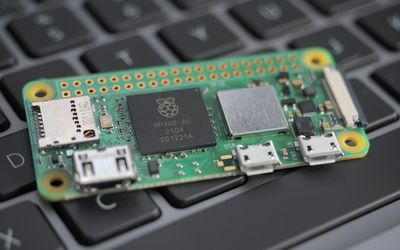
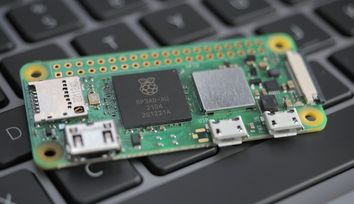
The Raspberry Pi Zero 2W features a quadcore 64 bit processor and builtin wireless in a tiny footprint. Its 40 pin header provides engineers with a flexible interface for embedded applications. This guide explores the theory behind the pinout and offers practical guidance for learners.
In IoT, return on investment (ROI) isn't just a line item; it's the North Star of every IoT deployment.
Monogoto was built as a cybersecurity-first cloud with Zero Trust, encryption, SIM-level control, and signaling visibility embedded.
TAGGED WITH cellular iot

Software-Defined Connectivity is transforming IoT, making networks programmable, scalable, and secure — just as the cloud revolutionized computing.
In IoT, return on investment (ROI) isn't just a line item; it's the North Star of every IoT deployment.
Explore the top 5 use cases of Software-Defined Connectivity (SDC) and learn how SDC reduces costs, improves compliance, and accelerates IoT innovation.
Monogoto was built as a cybersecurity-first cloud with Zero Trust, encryption, SIM-level control, and signaling visibility embedded.
Latest Posts
When digitization meets connectivity, you enter the smart factory. As an essential part of the fourth industrial revolution (Industry 4.0), it aims to optimize smart manufacturing processes. The fully digitized manufacturing facility of the smart factory uses devices, sensors, machinery, and production systems to continuously collect and share data.

5 minutes read


Trustworthy and reliable applications are fueling the worldwide IoT success story. This article explains why protecting IoT edge devices is crucial in an environment with threats on the rise.


Wi-Fi 6 has brought significant enhancements to IoT applications, but the Wi-Fi Alliance is already working ahead.

4 minutes read


Traditional washroom management faces many challenges. This article describes the benefits of using the YouTissue solution to equip custom projects with integrated hygiene solutions.

4 minutes read

challenge | FEB 01 - APR 12, 2024
Show the world what you can create with cutting-edge single-board computer hardware.

5 minutes read
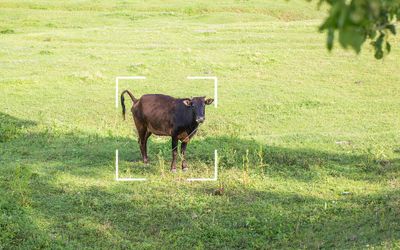
It is hard to think of a profession facing a more trying set of circumstances than farming. Climate change has brought higher temperatures and lower winter rainfall. Soil erosion, a loss of biodiversity, as well as myriad pests and diseases add to the farmer’s burden.
4 minutes read

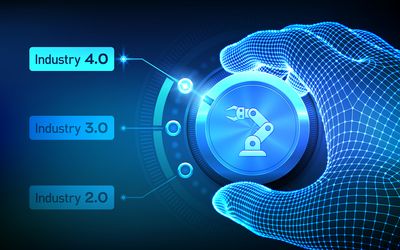
The Industrial Revolution began in Britain sometime around 1760. It ushered in a period where coal-fired steam engines powered increased mechanization and productivity and transformed a largely agrarian society into a manufacturing one.
4 minutes read

Sharing the real-world performance metrics of LTE Cat-M1 and LTE Cat 1, allowing you to make a better decision on what technology to use in your application.

The natural resources around us represent the basis for all human activity on Earth. We use these resources to produce food, clean drinking water, clothes, electrical energy, and everything else we need to survive. But these resources are limited.
4 minutes read

Lightweight Machine to Machine, a simplified communication and device management standard for the Internet of Things.

5 minutes read


Investors use ESG (environmental, social, and governance factors) to screen potential investments based on a company’s non-financial performance. IoT can make the collection and reporting of this data more accurate.
4 minutes read

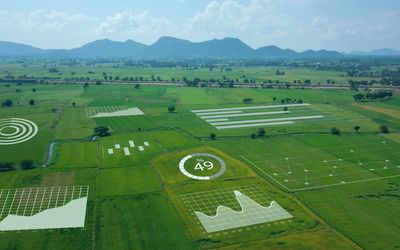
The global agricultural and farming industry is facing a perfect storm. Earlier this month, the world population hit eight billion for the first time, in the two weeks since it has grown another 1.5 million. That is a lot of extra mouths to feed when there are already 690 million people going hungry, according to the Food and Agriculture Organization of the United Nations (FAO).
4 minutes read

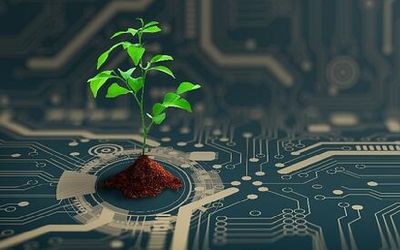
‘Smart Circularity’—the circular economy as it relates to connected technology and the IoT—can help the world shift away from linear consumption to an economy where resources are fed back into a closed loop of recycling, reusing and sharing.
4 minutes read

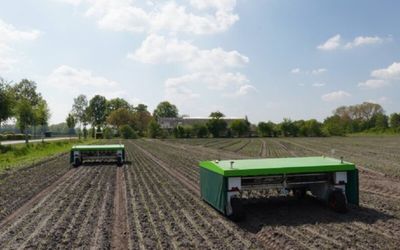
Widely publicised in the media, there are rising concerns both within the agricultural industry and from government policymakers as to whether food production can keep up with unprecedented future demands.


IoT-enabled sensor technology is set to revolutionise waste management.