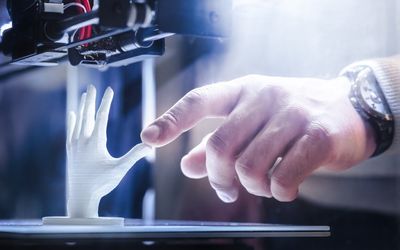
What is 3D printing? This article goes over the basics of 3D printing, otherwise known as additive manufacturing, covering its engineering principles and applications.
Be the first to know.
Get our Manufacturing weekly email digest.
Category
Manufacturing
Engineers Wiki. Most Asked Questions.
Comprehensive Guide
Full Adder Circuit: Theory, Design and Practical Implementation
By Muhammad Sufyan.
12 minutes read.
Half Adder Circuit—Theory, Design, and Implementation
By Muhammad Sufyan.
11 minutes read.
View more
ORGANIZATIONS. SHAPING THE INDUSTRY.


Nordic Semiconductor
Semiconductors
Nordic Semiconductor is a fabless semiconductor company specializing in wireless technology that powers the IoT.
181 Posts

The Next Byte
Entertainment
The Next Byte Podcast is hosted by two young engineers - Daniel and Farbod ...
165 Posts


View more
TAGGED WITH 3d printing
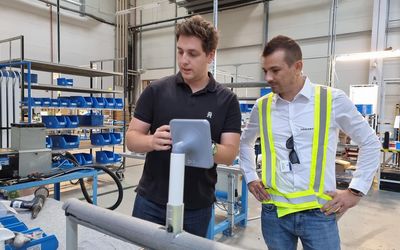
From family workshop to series production – how 3D printing helps Qvantum's factory in Nyíregyháza.
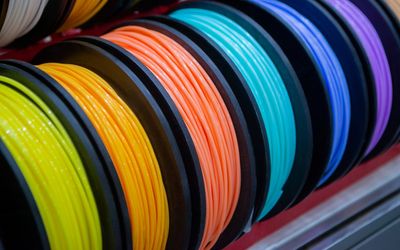
What is 3D printer filament made of? This guide examines polymers, additives, and composites, offering practical tips for digital design and hardware engineers.

Stereolithography (SLA) is a resin-based 3D printing technology that uses a UV laser to selectively cure liquid photopolymer resin layer by layer.
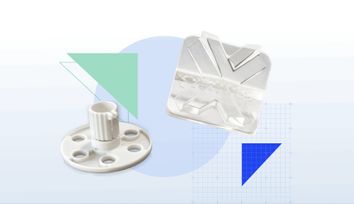

Advancing New Horizons in Additive Manufacturing (AM)

TAGGED WITH digital fabrication

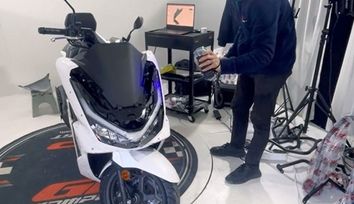
GP Kompozit used SCANOLOGY's SIMSCAN 3D scanner to accelerate motorcycle accessory design, achieving faster workflows and high-precision results.
Learn everything you need about the full adder circuit. From binary addition theory to low-power hardware implementations and modern ASIC/FPGA design flows, this technical article equips digital design engineers, hardware engineers with practical insights and current research trends.
Explore how a transistor works from first principles through practical circuit design. This in depth guide explains BJT and FET operation, switching and amplification modes, design calculations, modern market trends, and FAQs, ideal for digital design engineers, hardware engineers, and students.

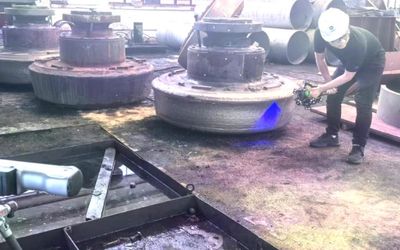
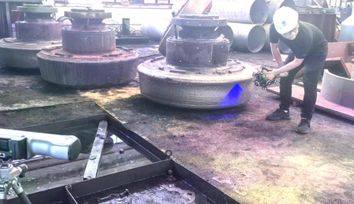
Advanced 3D scanning delivers comprehensive, high-accuracy inspection for massive grinding roller shells. It replaces manual measurement with fast, traceable digital analysis, enabling smarter maintenance and reduced operational costs.
Latest Posts

With today’s most advanced cloud manufacturing platforms, users can access the full capabilities needed to move seamlessly between prototyping, testing, and full-scale production

4 minutes read

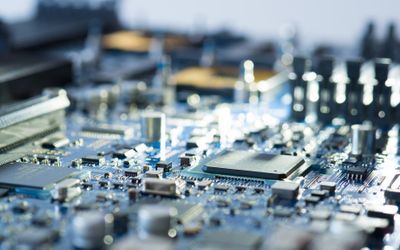
Rapid PCBA prototyping using electronics cloud manufacturing offers many advantages including problem identification, reduced error rate, lower costs, and shortened manufacturing timelines.
4 minutes read

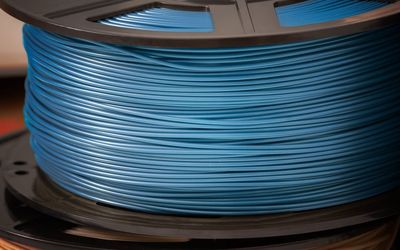
With its low melting point and resistance to warping, PLA is one of the easiest materials to print. However, users should still optimize the PLA bed temperature and nozzle temperature to obtain the best results.

90 Shore A TPE-based elastomer for large 3D-printed rubber-like parts.

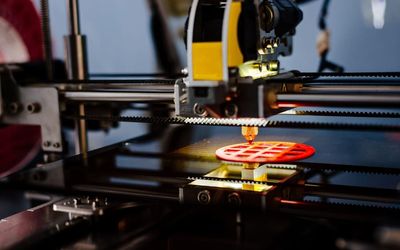
Selecting the right filament settings, print temperature, and flow rate can help solve the common problem of over extrusion in FDM 3D printing.
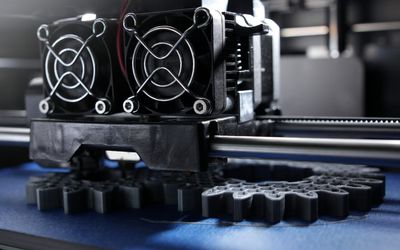
When choosing between 3D printer filaments, strength is often a deciding factor. So what is the strongest 3D printer filament? And what does “strength” really mean here?
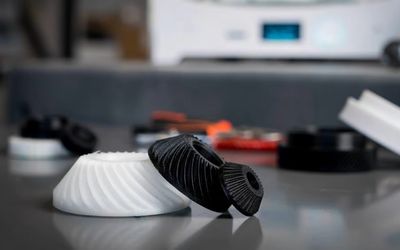
Find out how to print with one of the most versatile 3D printing materials available as well as which applications it's best suited to.

4 minutes read

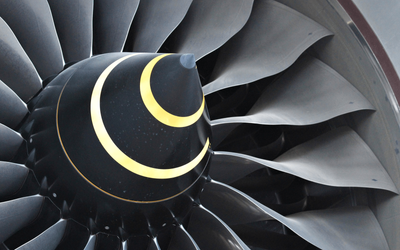
An air-breathing jet engine (turbofan) is widely used in aircraft propulsion. AFP systems are used for making the fan blades and containment casing for these jet engines. Here step by step process of making a jet engine blade via the AFP process is explained.

4 minutes read

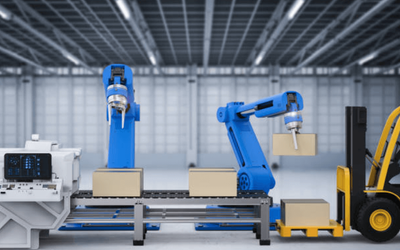
More manufacturers than ever before are turning to automation to remain competitive in the global marketplace. Small businesses and large companies alike are now increasingly relying on robotic automation to free human laborers of repetitive tasks and boost productivity.

5 minutes read

ECCO, the premium manufacturer of footwear and leather accessories, decided to automate the process of assembling spikes on golf shoes. For precise robot navigation, they use Photoneo 3D vision and robotic intelligence.

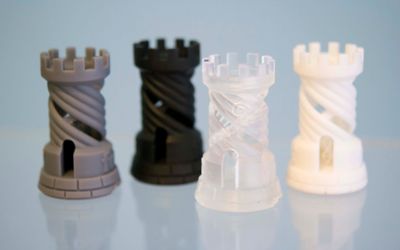
One of the main reasons why manufacturers and designers prefer injection moulding over other processes is its ability to produce a smooth surface finish. Injection moulding is economical when producing large batches, but how about small batches and prototypes? The evident solution is 3D printing.

4 minutes read
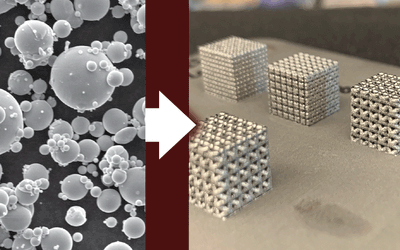
Laser powder bed fusion, a 3D-printing technique, offers potential in the manufacturing industry, particularly when fabricating nickel-titanium shape memory alloys with complex geometries.
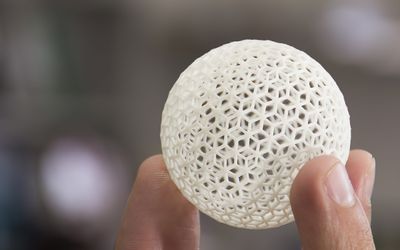
Thermoplastic polyurethane is one of the best flexible 3D printing materials, but TPU print settings differ greatly from rigid material settings and can be difficult to configure.
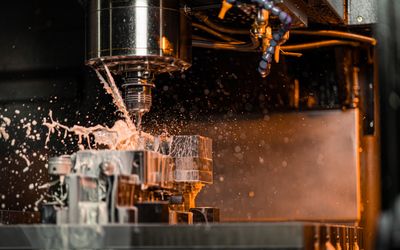
The following article is the differences of Injection Molding, CNC Machining, and Urethane Casting in detail, including processes themselves, manufacturing lead times, relationships of part quantities and cost, materials, the right process in different development stages.

4 minutes read
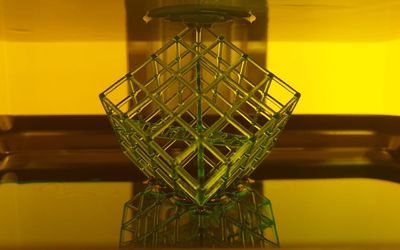
Post-curing is an important step in SLA 3D printing. Knowing how long to cure resin 3D prints and what curing methods to use can help you attain the highest quality parts.