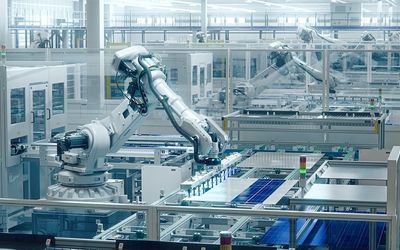
This comprehensive article dives deep into the world of robotics, exploring the history, types, engineering components, applications, and future trends of robots, offering readers an in-depth understanding of how these remarkable machines work and shape our lives.
Be the first to know.
Get our Robotics weekly email digest.
Category
Robotics
Engineers Wiki. Most Asked Questions.
Comprehensive Guide
Raspberry Pi Zero 2 W Pinout: Comprehensive Guide for Engineers
By Muhammad Sufyan.
12 minutes read.
Raspberry Pi 4 Pinout: A Comprehensive Guide for Engineers
By Ramsha Jawaid.
15 minutes read.
Full Adder Circuit: Theory, Design and Practical Implementation
By Muhammad Sufyan.
12 minutes read.
Modbus RTU vs TCP: A Comprehensive Comparison of Industrial Protocols
By Muhammad Sufyan.
14 minutes read.
View more
ORGANIZATIONS. SHAPING THE INDUSTRY.


Harvard University
University
At the Harvard John A. Paulson School of Engineering and Applied Sciences (...
42 Posts

READY Robotics
Robotics & Automation
READY Robotics is a robotics software company that vastly simplifies robot ...
24 Posts

Avestec Technologies
Automation Machinery Manufacturing
We are a company in flying robotics, specializing in Non-destructive inspec...
23 Posts

View more
TAGGED WITH social robotics
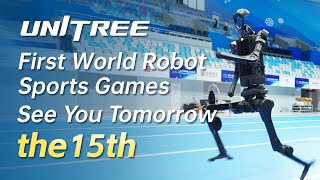
Everyone, guess how fast is it?
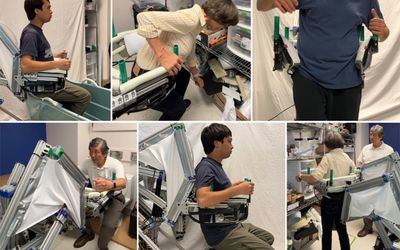
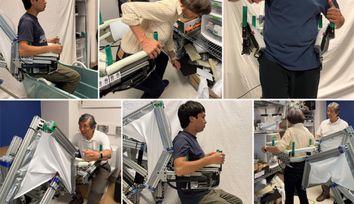
The new design could assist the elderly as they age in place at home.

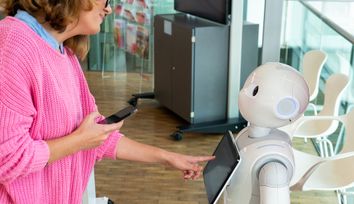
The hospitality industry can leverage the gender characteristics of service robots to influence customers' decisions, according to new research from a team in the Penn State School of Hospitality Management.
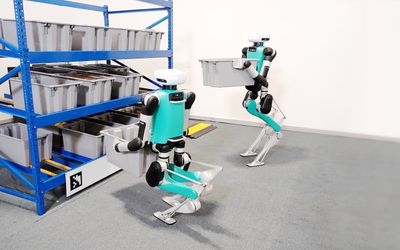
Service robots have evolved from simple automated machines to intelligent adaptive systems that can navigate unpredictable environments and interact with humans.
TAGGED WITH soft robotics
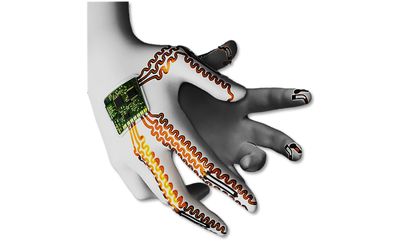
AI-powered artificial muscles made from pliable materials are reshaping recovery, from stroke rehabilitation to prosthetic design. These machines help people regain motion, strength, and confidence.

A team of researchers from ITMO University, Tel Aviv University, and University of Aveiro have come up with a new way to improve the mechanical properties of spider webs.

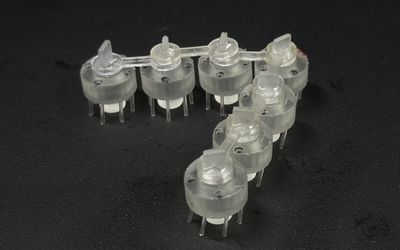
'Link-bots' can move, explore, cooperate without sensing or computation
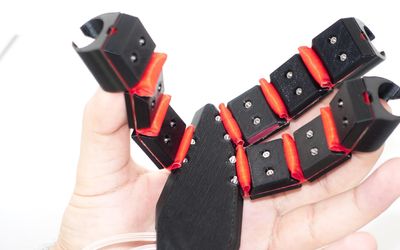
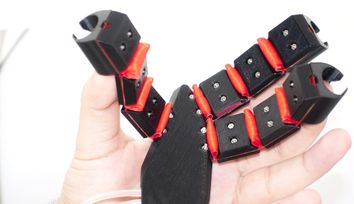
EPFL researchers have developed a customizable soft robotic system that uses compressed air to produce shape changes, vibrations, and other haptic, or tactile, feedback in a variety of configurations.
Latest Posts

Welcome to this world — standing 180cm tall and weighing 70kg. The H2 bionic humanoid - born to serve everyone safely and friendly.

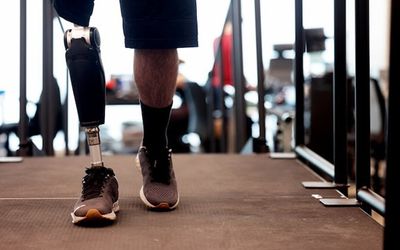
Paired with custom control software, Össur's powered knee prosthesis helped study participants sit, stand and walk more easily.

4 minutes read

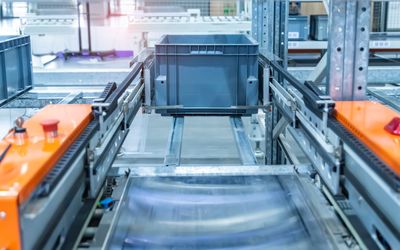
The age of simple ROI is over. Learn why warehouses now measure automation by lifecycle performance, sustainability, and long-term operational value.
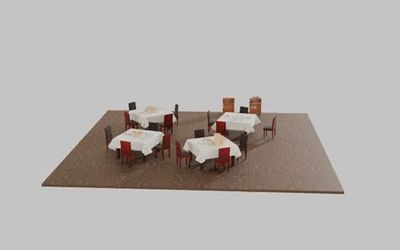
New tool from MIT CSAIL creates realistic virtual kitchens and living rooms where simulated robots can interact with models of real-world objects, scaling up training data for robot foundation models.
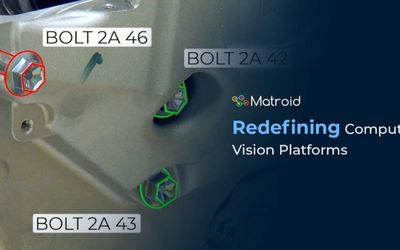
In the world of automotive manufacturing, precision is not optional — it is mandatory. Every component, from wiring harnesses to interior panels to fasteners, must be installed correctly, in the correct sequence, at the correct tempo, every single time.

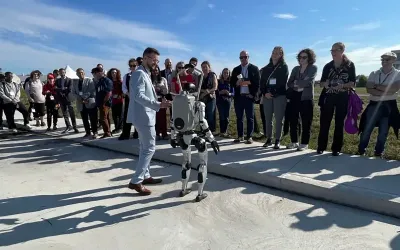
The Companies and Concepts Redefining Tomorrow's Industries

5 minutes read
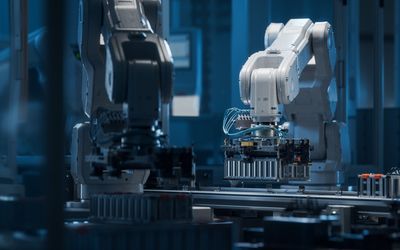
In the rapidly growing field of industrial robotics, reliable connectivity is essential for maintaining high signal integrity, especially in environments characterized by continuous motion and harsh conditions.
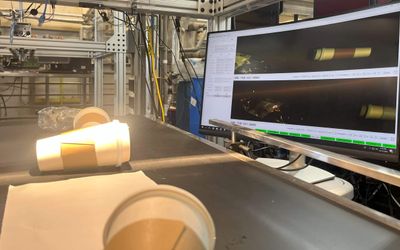
A new study uses advanced imaging technology to identify materials in municipal solid waste that can be separated for recycling or to produce energy.

3 minutes read
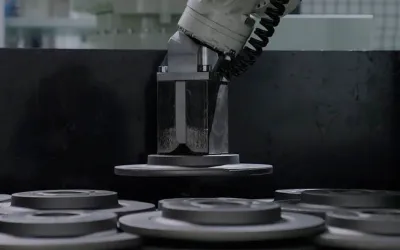
High-Speed Automation for Automotive Parts Foundry

4 minutes read

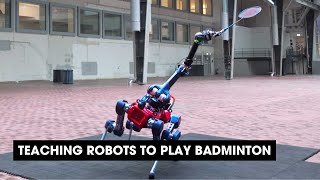
In this episode, we cover how researchers trained a quadruped robot to play badminton, teaching it to track the shuttlecock, move into position, and swing a racket in real time, showing how AI can bring robots closer to human-like coordination.

11 minutes read

With Xsens MTi-3

3 minutes read

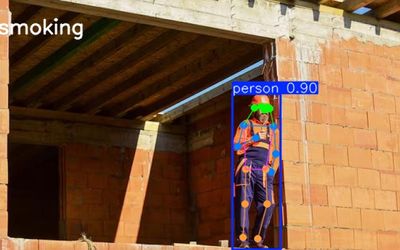
A team of scientists from ITMO University has developed software that can automatically track potential human causes of industrial accidents, such as drinking or smoking in the workplace.

3 minutes read

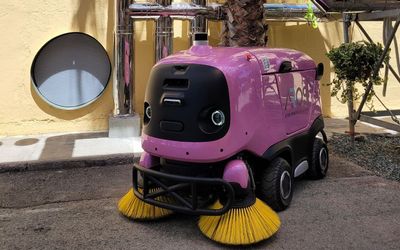
Powered by Xsens Vision Navigator
4 minutes read
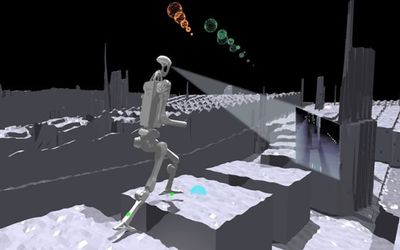
Now able to learn locomotion and navigation together, robots develop balanced gaits and safe routes.
3 minutes read
Everyone, guess how fast is it?