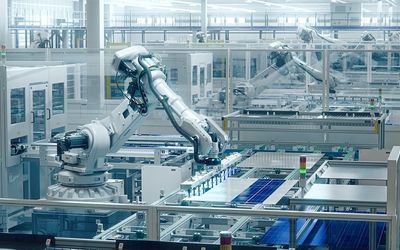
This comprehensive article dives deep into the world of robotics, exploring the history, types, engineering components, applications, and future trends of robots, offering readers an in-depth understanding of how these remarkable machines work and shape our lives.
Be the first to know.
Get our Robotics weekly email digest.
Category
Robotics
Engineers Wiki. Most Asked Questions.
Comprehensive Guide
Raspberry Pi Zero 2 W Pinout: Comprehensive Guide for Engineers
By Muhammad Sufyan.
12 minutes read.
Raspberry Pi 4 Pinout: A Comprehensive Guide for Engineers
By Ramsha Jawaid.
15 minutes read.
Full Adder Circuit: Theory, Design and Practical Implementation
By Muhammad Sufyan.
12 minutes read.
Modbus RTU vs TCP: A Comprehensive Comparison of Industrial Protocols
By Muhammad Sufyan.
14 minutes read.
View more
ORGANIZATIONS. SHAPING THE INDUSTRY.



Harvard University
University
At the Harvard John A. Paulson School of Engineering and Applied Sciences (...
42 Posts

READY Robotics
Robotics & Automation
READY Robotics is a robotics software company that vastly simplifies robot ...
24 Posts

Avestec Technologies
Automation Machinery Manufacturing
We are a company in flying robotics, specializing in Non-destructive inspec...
23 Posts

View more
TAGGED WITH social robotics

Everyone, guess how fast is it?
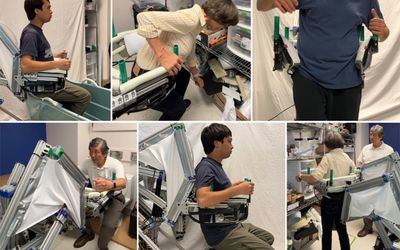
The new design could assist the elderly as they age in place at home.

The hospitality industry can leverage the gender characteristics of service robots to influence customers' decisions, according to new research from a team in the Penn State School of Hospitality Management.

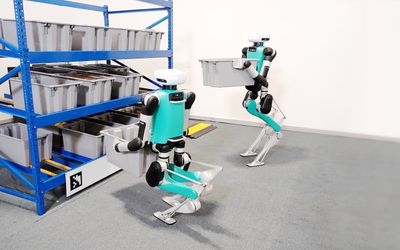
Service robots have evolved from simple automated machines to intelligent adaptive systems that can navigate unpredictable environments and interact with humans.
TAGGED WITH soft robotics
AI-powered artificial muscles made from pliable materials are reshaping recovery, from stroke rehabilitation to prosthetic design. These machines help people regain motion, strength, and confidence.

A team of researchers from ITMO University, Tel Aviv University, and University of Aveiro have come up with a new way to improve the mechanical properties of spider webs.

'Link-bots' can move, explore, cooperate without sensing or computation
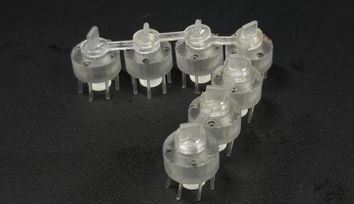
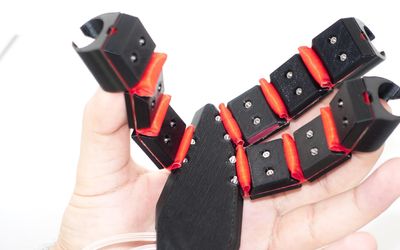
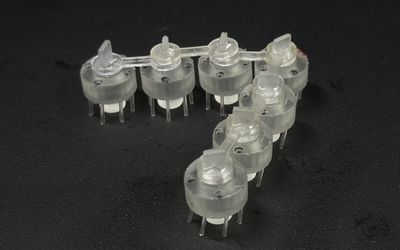
EPFL researchers have developed a customizable soft robotic system that uses compressed air to produce shape changes, vibrations, and other haptic, or tactile, feedback in a variety of configurations.
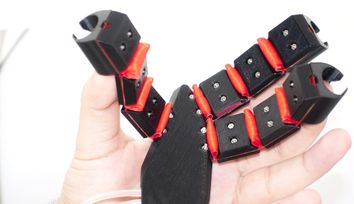
Latest Posts
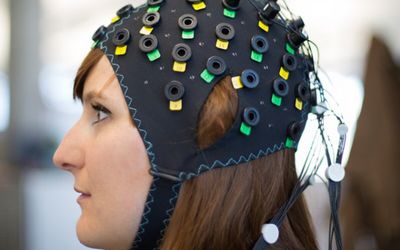
Article #4 of Improving Lives with Digital Healthcare Series: Transferring information directly between the human brain and a computer can unlock the possibilities of using machines as extended parts of the human body.


Article #3 of Improving Lives with Digital Healthcare Series: Using real-time sensing, new energy sources, and multifunctional connectors, it's possible to carry out cardiovascular operations with reduced risks and faster recovery time.

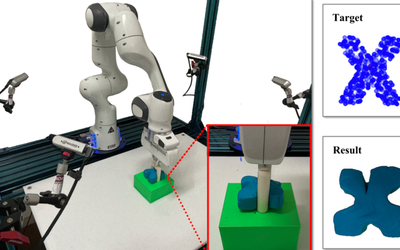
The inner child in many of us feels an overwhelming sense of joy when stumbling across a pile of the fluorescent, rubbery mixture of water, salt, and flour that put goo on the map: play dough. (Even if this happens rarely in adulthood.)

Article #2 of Improving Lives with Digital Healthcare Series: Improved healthcare robots facilitate minimally invasive surgical procedures with features like visualization, precision movement, and tactile feedback. Having a good connectivity infrastructure supporting the devices ensures reliability

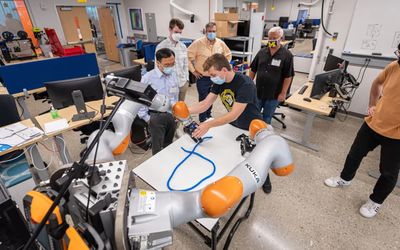
In this episode, we talk about how engineers are tackling the problem of sorting through piles using robotics and a platform that leverages fake data to train robots more efficiently.



Using AR/VR technology, Oversight gives emergency responders the ability to literally SEE THROUGH WALLS and strengthens the connectivity between control rooms and field operators.

5 minutes read

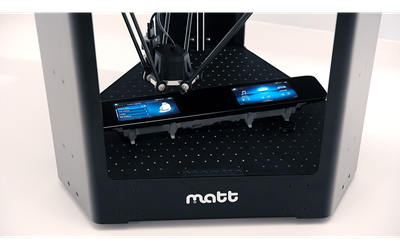
MATT overtakes challenges met during the process of testing in-vehicle-infotainment systems using its characteristic adaptability and capabilities to support an effective operation throughout the testing process.

4 minutes read

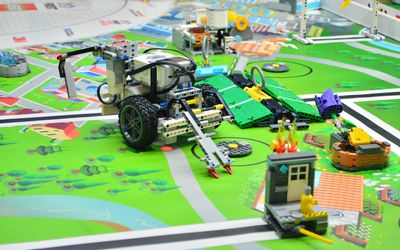
The inertial navigation system is a basic component of obtaining a continuous navigation solution in various applications. The system suffers from a growing error over time. This article proposes a machine-learning-based adaptive neuro-fuzzy inference system to improve navigation performance.

Food processing techniques require the removal of moisture from the crop without destroying its nutritional qualities. The article proposes a dehydrator/oven whose temperature and humidity can be perfectly controlled and its generated heat is evenly distributed in its drying chamber.


Columbia Engineers build a robot that learns to understand itself, rather than the world around it


This article was originally published in The Robot Remix. Subscribe for strategic insight into the robotics and automation industry.

6 minutes read

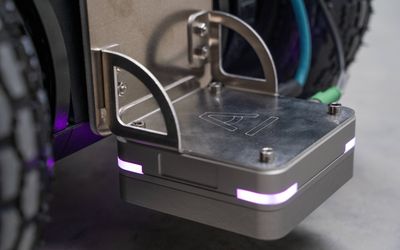
Automation is one of the cornerstones of warehousing in Industry 4.0, but it will require a combination of technology working in concert to make it a success.
Monthly robotics news blog. Discover the latest products, research, tutorials, and security news for robotics.

6 minutes read

In this episode, we talk about how engineers inspired by some of biology’s most miniature wonders (like dandelions' seeds and microorganisms' cilia) are using their knowledge to make major breakthroughs in biosensing, robotics, biomedical engineering, and more.

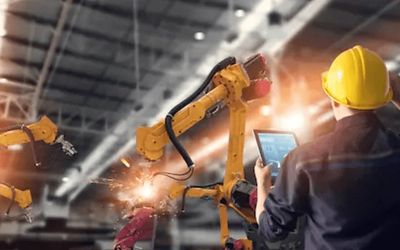
Lights-out manufacturing refers to the manufacturing methodology where factories are fully-automated. While true lights-out factories are still rare today, manufacturers can look to companies like FANUC, in Japan, for inspiration.

3 minutes read