





Be the first to know.
Get our manufacturing systems  weekly email digest.

Tagged with

manufacturing systems

ORGANIZATIONS.

SHAPING THE INDUSTRY.

Rowse

Electrical, pneumatics & automation specialist

We formed Rowse in 2004, and have enjoyed many years of rewarding engagement with our customers. Our aim is always to supply quali...

67 Posts

RPWORLD

Mechanical Or Industrial Engineering

RPWORLD is a leading high-mix, low-volume manufacturing service providers f...

62 Posts

READY Robotics

Robotics & Automation

READY Robotics is a robotics software company that vastly simplifies robot ...

24 Posts

polySpectra

Additive Manufacturing

We help innovative engineers 3D print end-use components they can trust usi...

12 Posts

SINTRATEC

Machinery Manufacturing

Print your mind

12 Posts

View more

Latest Posts

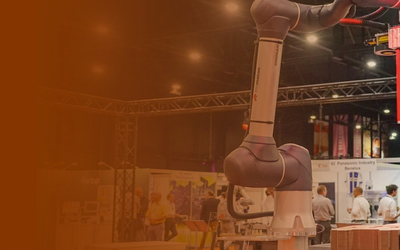
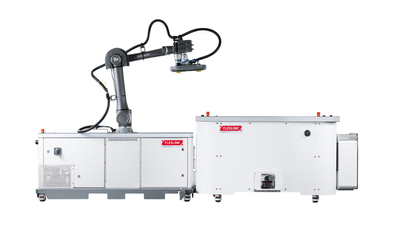
Humans sharing a workspace and collaborating with robots has become a reality that companies and their smart factories just can’t do without, as it allows flexible manufacturing in variable batch sizes with maximum efficiency. In short, successful human-machine interaction is key for future-proof manufacturing.

Protective Lattice Layer for Cobots

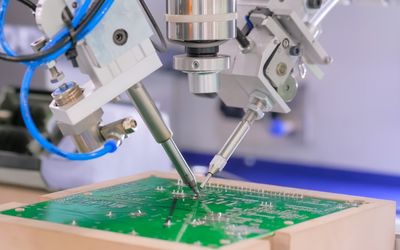
Soldering Unveiled: Exploring Wave and Reflow Techniques for Engineering Graduates. Delve into the Depths of PCB Assembly, Component Compatibility, Production Efficiency, and Quality Assurance. Gain Profound Insights into Wave Soldering Machines, Reflow Ovens, and the Art of Soldering. Empower Your Engineering Journey with this In-Depth Comparative Analysis of Two Key Soldering Methods.

Demystifying Soldering Techniques: A Comparison of Wave Soldering and Reflow Soldering

Using compressed air in automotive manufacturing is nothing new, and almost every process in manufacturing a car today relies on pneumatics. From cutting and machining parts and panels to various lifting, clamping and stamping operations, pneumatic tools regularly assist.

Pneumatics In Motorsport

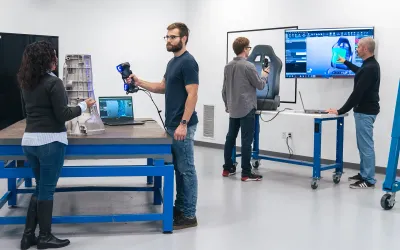
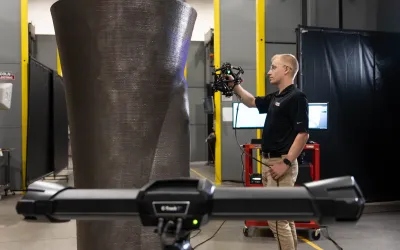
Over the last few decades, reverse engineering has become an essential part of product design and production processes used by manufacturers all over the globe. From aerospace to automotive to everyday consumer goods, industrial engineers and product designers rely on reverse engineering when replicating a legacy part without documentation or drawings, analyzing and deconstructing a competitive product, or modifying and improving an existing one.

What is the Future of Reverse Engineering?

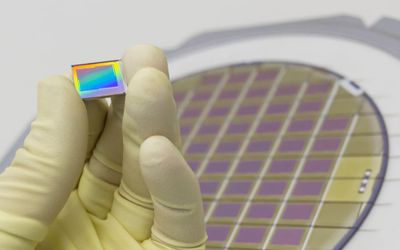
Wafer dicing separates individual integrated circuits or chips from a semiconductor wafer without damaging their delicate structures and circuits. This process is crucial for the production of electronic devices and components used in various industries, and the demand for it has increased with the development of high-performance and smaller electronic devices. Different dicing techniques, such as blade dicing, laser dicing, and plasma dicing, have been developed, and new innovations continue to emerge to address the challenges of complex semiconductor devices.

The Ultimate Guide to Wafer Dicing: Techniques, Challenges, and Innovations

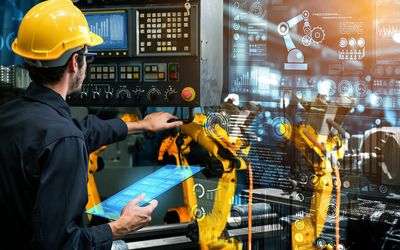
Article #7 of Transforming Industrial Manufacturing with Industry 4.0 Series: Customer needs are driving innovation in industrial automation, with manufacturing environments trending towards new characteristics such as being agile, accessible, data-driven, collaborative, and resilient.

Customers Driving Innovation in Industrial Automation