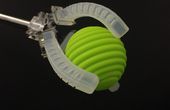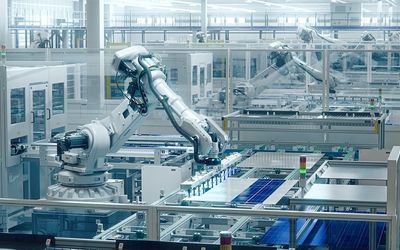
This comprehensive article dives deep into the world of robotics, exploring the history, types, engineering components, applications, and future trends of robots, offering readers an in-depth understanding of how these remarkable machines work and shape our lives.
Be the first to know.
Get our Robotics weekly email digest.
Category
Robotics
Engineers Wiki. Most Asked Questions.
Comprehensive Guide
Raspberry Pi Zero 2 W Pinout: Comprehensive Guide for Engineers
By Muhammad Sufyan.
12 minutes read.
Raspberry Pi 4 Pinout: A Comprehensive Guide for Engineers
By Ramsha Jawaid.
15 minutes read.
Full Adder Circuit: Theory, Design and Practical Implementation
By Muhammad Sufyan.
12 minutes read.
Modbus RTU vs TCP: A Comprehensive Comparison of Industrial Protocols
By Muhammad Sufyan.
14 minutes read.
View more
ORGANIZATIONS. SHAPING THE INDUSTRY.


Harvard University
University
At the Harvard John A. Paulson School of Engineering and Applied Sciences (...
42 Posts

READY Robotics
Robotics & Automation
READY Robotics is a robotics software company that vastly simplifies robot ...
24 Posts

Avestec Technologies
Automation Machinery Manufacturing
We are a company in flying robotics, specializing in Non-destructive inspec...
23 Posts

View more
TAGGED WITH social robotics

Everyone, guess how fast is it?
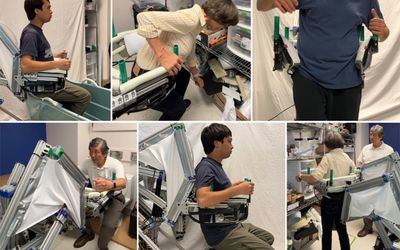
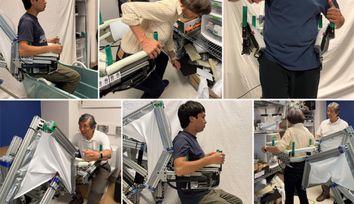
The new design could assist the elderly as they age in place at home.
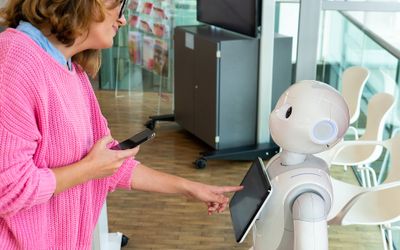
The hospitality industry can leverage the gender characteristics of service robots to influence customers' decisions, according to new research from a team in the Penn State School of Hospitality Management.
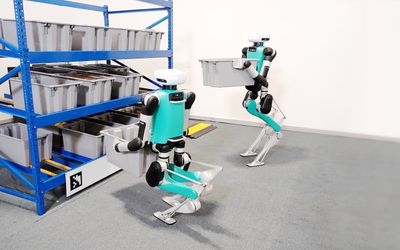
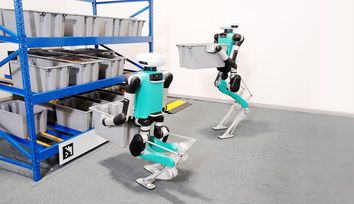
Service robots have evolved from simple automated machines to intelligent adaptive systems that can navigate unpredictable environments and interact with humans.
TAGGED WITH soft robotics
AI-powered artificial muscles made from pliable materials are reshaping recovery, from stroke rehabilitation to prosthetic design. These machines help people regain motion, strength, and confidence.

A team of researchers from ITMO University, Tel Aviv University, and University of Aveiro have come up with a new way to improve the mechanical properties of spider webs.

'Link-bots' can move, explore, cooperate without sensing or computation
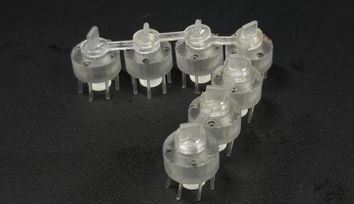
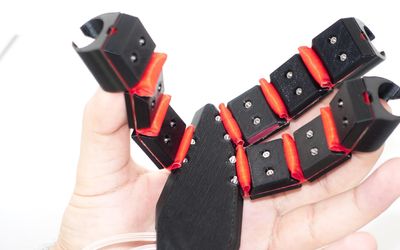
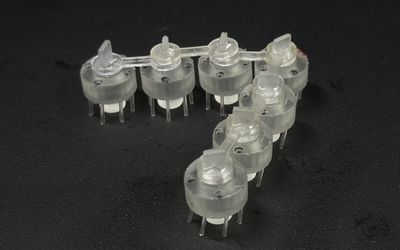
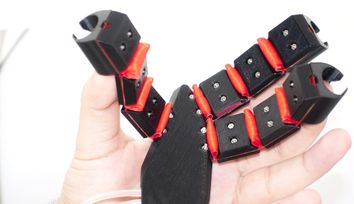
EPFL researchers have developed a customizable soft robotic system that uses compressed air to produce shape changes, vibrations, and other haptic, or tactile, feedback in a variety of configurations.
Latest Posts
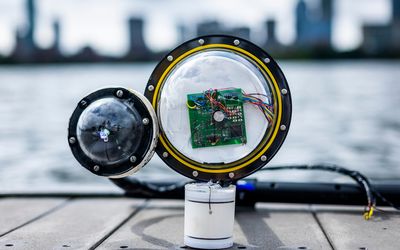
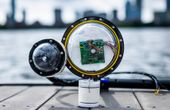
The device could help scientists explore unknown regions of the ocean, track pollution, or monitor the effects of climate change.

Computer vision brings an 80% reduction in illegal dumping. IoT surveillance company iDefigo partners with Matroid to apply AI-based computer vision for illegal trash dumping detection.

2 minutes read
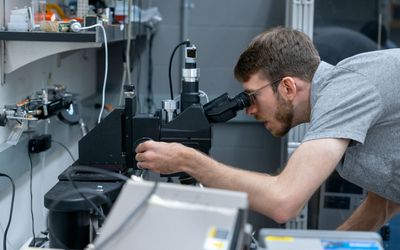
A collaborative effort has installed electronic “brains” on solar-powered robots that are 100 to 250 micrometers in size – smaller than an ant’s head – so that they can walk autonomously without being externally controlled.

4 minutes read
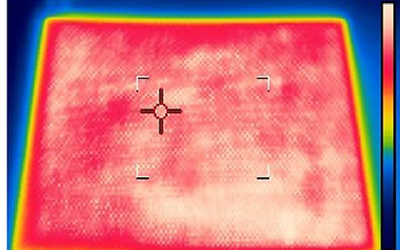
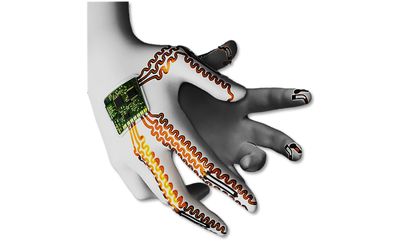
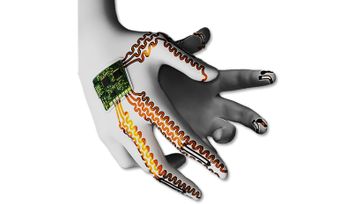
Sometimes manufacturers would like to install heating in objects that are difficult to heat. The armrest of your car. Your sporty winter coat. Bags for food delivery. Sleeping bags. etc This has been difficult to achieve until now. Read more about printed heater technology

2 minutes read
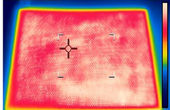
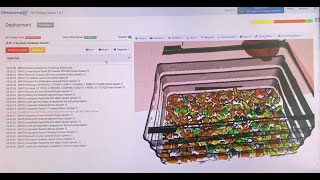
Bin picking of metal parts in challenging industrial environments and light conditions requires robust 3D vision combined with clever robotic intelligence software. SEMA Maschinenbau GmbH uses Photoneo technology for this kind of project.

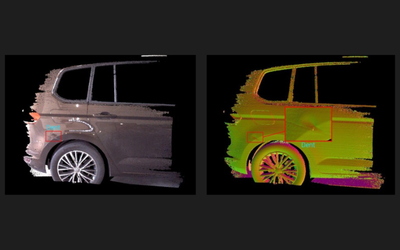
A car rental company uses the Photoneo 3D camera MotionCam-3D to inspect and identify defects on rental cars.
2 minutes read
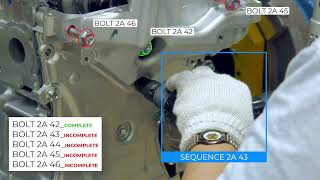
Deep-learning algorithms are enabling powerful video analytics. A practical use in manufacturing is monitoring human actions in manual operations. Some assemblies require specific torquing sequences, which can't always be tracked with traditional methods. AI-based Computer Vision advances quality management.
3 minutes read
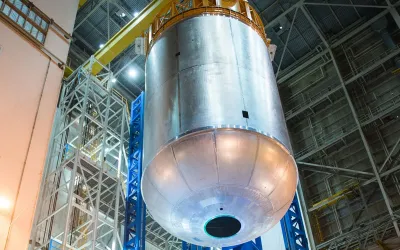
When you ask people to name a few cutting-edge technologies, they’ll probably mention artificial intelligence, quantum computing, autonomous vehicles, perhaps synthetic biology… but probably not welding.

3 minutes read
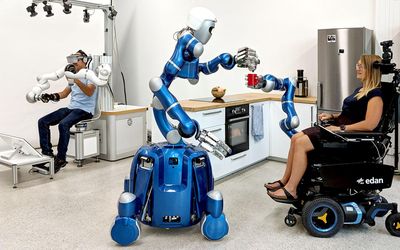
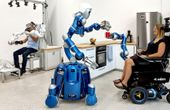
Although robots cannot replace human caregivers, they can provide support so that caregivers have more time to provide the personal, human touch.

3 minutes read
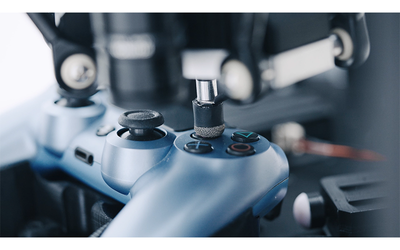
Developing a tool that evaluates button and switch devices from both hardware (through physical input) and software perspectives is the next logical step in the evolution of device testing automation.

5 minutes read

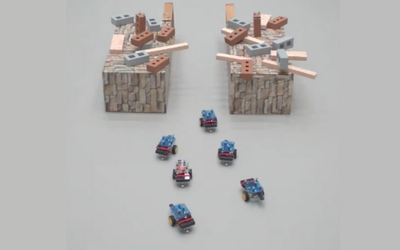
Resilient robot teams juggle competing priorities without deadlock

3 minutes read
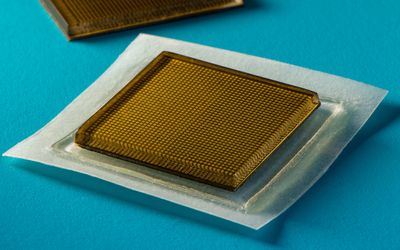
In this episode, we talk about how researchers are developing a sticker that can conduct ultrasound tests along with a machine learning powered robotic solution for choosing chemical proteins when developing new drugs and biofuels or recycling plastics.

Monthly robotics news blog. Discover the latest innovations, products, research, tutorials, and security news for robotics.

6 minutes read
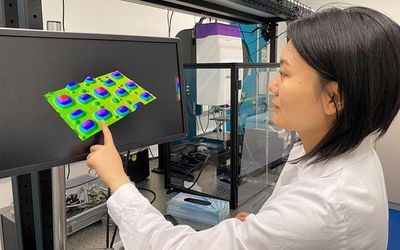
The sophisticated artificial skin sweats where and how much the researchers want it to. This was reported in an Angewandte Chemie article by Danqing Liu and first author Yuanyuan Zhan.
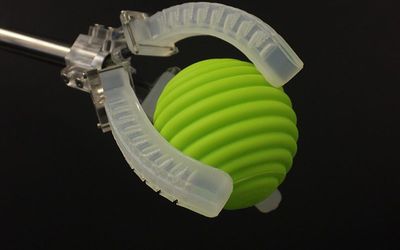
Why a robot’s reach exceeds its grasp

6 minutes read