




Be the first to know.
Get our materials  weekly email digest.

Tagged with

Materials

ORGANIZATIONS.

SHAPING THE INDUSTRY.

The Next Byte

Entertainment

The Next Byte Podcast is hosted by two young engineers - Daniel and Farbod - who select the most interesting tech/engineering cont...

165 Posts

UltiMaker

Manufacturing

Since 2011, Ultimaker has built an open and easy-to-use solution of 3D prin...

105 Posts

nTopology

Design & Engineering Software

nTopology is a software company building the next generation of engineering...

63 Posts

EPFL

University

Located in Switzerland, EPFL is one of Europe’s most vibrant and cosmopolit...

56 Posts

ETH Zurich

University for science and technology

Freedom and individual responsibility, entrepreneurial spirit and open-​min...

43 Posts

View more

Latest Posts

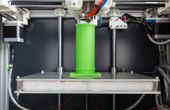
Engineers at Caltech have developed a method for 3-D printing pure and multicomponent metals, at a resolution that is, in some cases, an order of magnitude smaller than previously possible. The process, which uses water-based chemistry and 3-D printing, was described in a paper published in Nature on October 20.

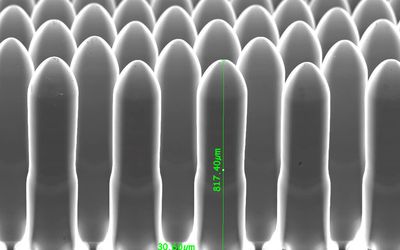
New Process Allows 3-D Printing of Microscale Metallic Parts

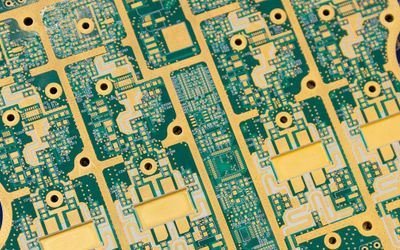
For the first time, ETH Zurich researchers have been able to make a superconducting component from graphene that is quantum coherent and sensitive to magnetic fields. This step opens up interesting prospects for fundamental research.

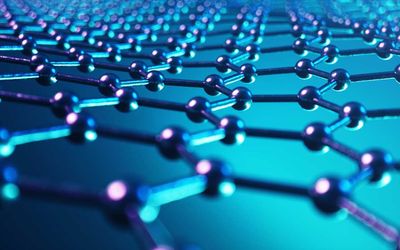
A new quantum component made from graphene

ETH Zurich researchers have developed a structure that can switch between stable shapes as needed while being remarkably simple to produce. The key lies in a clever combination of base materials.

Stable in all kinds of shapes

While automated manufacturing is ubiquitous today, it was once a nascent field birthed by inventors such as Oliver Evans, who is credited with creating the first fully automated industrial process, in flour mill he built and gradually automated in the late 1700s.

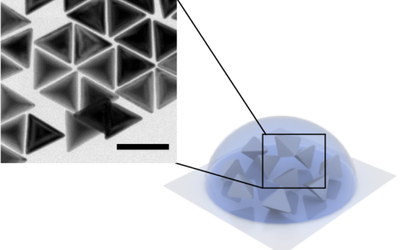
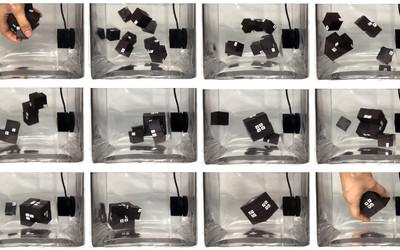
Reprogrammable materials selectively self-assemble

One of the great plus points of 3D printing is that you can design pretty much any shape or geometry that you want, and Nylon is a great general-purpose material to use. But there are some key considerations to keep in mind when designing nylon parts to make sure you get the parts you want.

20240117-Protolabs Insight - Nylon 3D Printing