




Be the first to know.
Get our additive manufacturing  weekly email digest.

Tagged with

additive manufacturing

ORGANIZATIONS.

SHAPING THE INDUSTRY.

Sculpteo

3D printing services

We believe in the potential of 3D printing; we believe this technology can be accessible to everyone and every business.

42 Posts

Veco B.V.

Manufacturing

world leader in micro precision.

23 Posts

polySpectra

Additive Manufacturing

We help innovative engineers 3D print end-use components they can trust usi...

12 Posts

FACTUREE – The Online Manufacturer

Manufacturing | Procurement

The digital all-in-one solution for effortless procurement of custom parts

12 Posts

SINTRATEC

Machinery Manufacturing

Print your mind

12 Posts

View more

Latest Posts

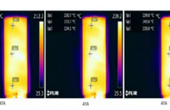
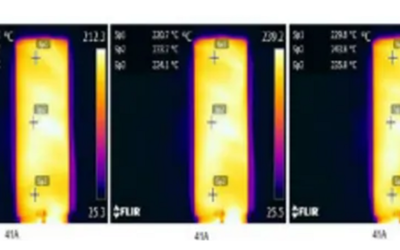
The key enabler for reliable device fabrication in printed electronics is functional inks with tunable electrical properties incl. conductivity, dielectric strength & electrical resistance. Here, you will learn about unique polyimide based pastes able to withstand temperatures up to 300°C.

Innovative High-Temperature Inks for Printed Electronics

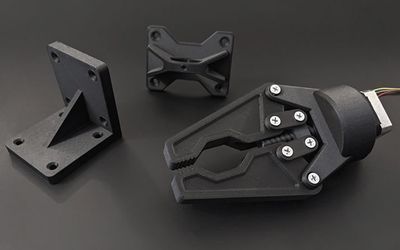
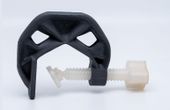
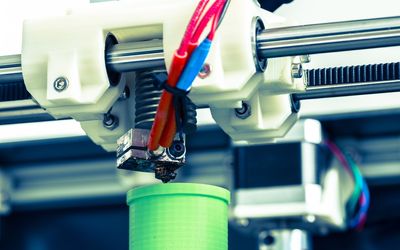
Carbon fiber is one of the most powerful materials for anyone trying to get the most out of 3D printing. But when should you use it, and what applications can you use it for? Let’s delve into these questions and discover why 3D printed carbon fiber composites are more accessible and versatile than ever before.

The advantages of 3D printing with carbon fiber

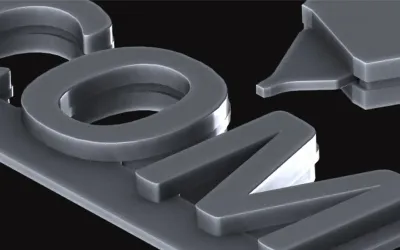
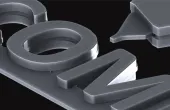
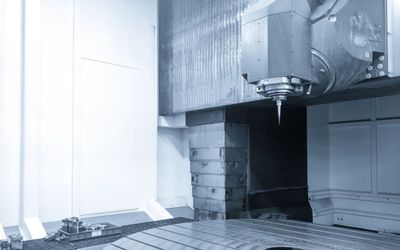
Veco’s unique Advanced Lithographic Electroforming process also referred to as Advanced Photo Electroforming, promises a move towards the frontier of precision engineering, incorporating micro precision, complex features, and freedom of design, all of which empower next-gen innovations across industries facing the challenge of miniaturization. This blog introduces 5 reasons to choose Electroforming in terms of freedom of design.

Electroforming for Engineers: 5 Reasons Electroforming Has Revolutionized Complex Part Design

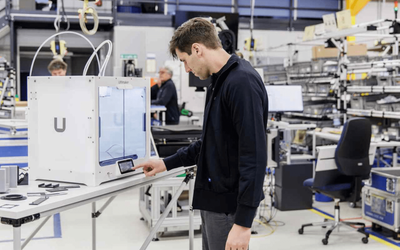
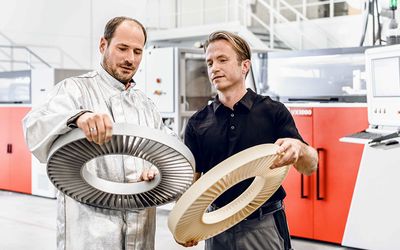
The renowned technology enterprise Zeiss is at the forefront of the optics industry by using 3D printing to create customized parts for its microscope in serial production. This article explores how this innovative solution has significantly improved the manufacturing process, resulting in substantial time and cost savings for the company.

How Zeiss is Using 3D Printed Parts in Serial Production