



Discover how hardware teams break free from slow, sequential workflows by adopting parallel, real-time collaboration.
Be the first to know.
Get our computeraided design weekly email digest.
Tagged with
computer-aided design
ORGANIZATIONS. SHAPING THE INDUSTRY.
Latest Posts


Discover how hardware teams accelerate development by enabling external partners to collaborate in the same live design environment—not through files, but shared context.


Learn how hardware projects slip not from big mistakes, but from lost decision context—and how connected workflows preserve intent to keep teams aligned.


Engineering teams can achieve AI-ready design data with five-level maturity model by Keysight. The unified, traceable data accelerates design cycles, boosts IP reuse, and reduces costly re-spins.


Slicing turns a digital 3D model into machine-readable instructions for your 3D printer. This article looks at how 3D printing slicers work and how to use them.


Presentations on Design for Additive Manufacturing from the CDFAM Computational Design Symposium in Berlin, 2024

11 minutes read


Computational DfAM from the inaugural CDFAM Symposium in NYC, 2023.
9 minutes read


As seen at CDFAM Computational Design Symposium
4 minutes read


This article looks at how to design 3D prints by mastering the principles and practices of designing for additive manufacturing (DfAM), from fundamental concepts to advanced techniques.

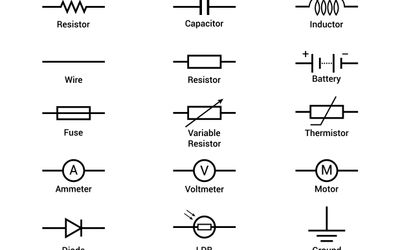
An in-depth exploration of schematic circuit symbols, their standards, uses in design, and best practices – ideal for digital/hardware engineers and engineering students.

A detailed comparison of Orca Slicer vs Cura, two leading 3D printing slicers, evaluating slicing algorithms, features, usability, and real-world print results

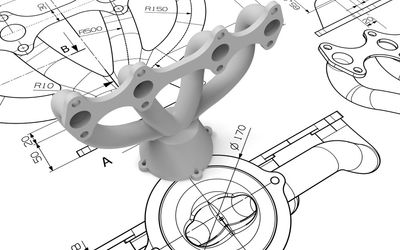
CAD file types are fundamental to modern engineering workflows. This guide explores different CAD file formats, explaining their uses, advantages, and how to choose the right format.

This article serves as an exploration of the Standard for Exchange of Product Model Data (STEP) file format, examining its implementation in modern CAD systems.


One of the most transformative elements in the design process for metal 3D printed parts is the integration of lattice structures as these can drastically improve the efficiency and performance of a component.

3 minutes read
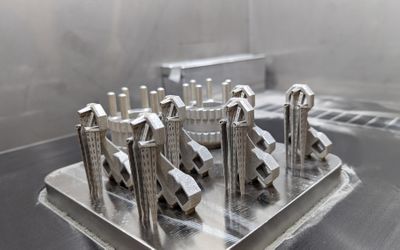
In the world of precision machining, efficiency and reliability are paramount. This case study explores the challenge, solution, and benefits of integrating a metal 3D-printed coolant ring into the machining process.
3 minutes read